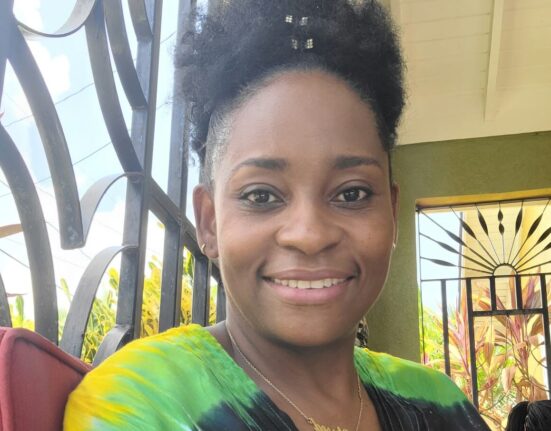


WHAT WE SAY AND HOW WE RESPOND ARE IMPORTANT TO THOSE WITH MENTAL HEALTH ISSUES (Part 2)
ST ANN’S BAY, St Ann; Jan 24, 2026
In the first of this two-part series on mental health, Dr Rochelle Bailey, assigned to the St Ann’s Bay Regional Hospital, set out some of the considerations involving mental health and some issues that result in less than the best responses by members of the general population to someone who has mental health issues. DISMANTLING MENTAL HEALTH BARRIERS IN JAMAICA (Part 1) She picks up by pointing out that many in need of mental health support and care do not reach out. — Editor
By Dr Rochelle Bailey

Mental health disorders also affect children. Research suggests that around 34 percent of children under 14 exhibit mental health symptoms, with that figure rising to nearly 48 percent by the age of 18. These statistics reflect a substantial burden of early-life mental health challenges that often go unrecognized or are misinterpreted in social and educational settings.
Despite the prevalence of these conditions, stigma and limited resources often prevent people from seeking help. Many Jamaicans hesitate to reach out due to fear of judgment or discrimination, and there remains a shortage of trained mental health professionals and accessible services.

- How to Speak to Someone Experiencing Mental Health Challenges
Words possess transformative power. The language we choose can open the door to healing or deepen the chasm of isolation. To speak to someone who is struggling mentally is to wield empathy as a lifeline.
What to Say
- I am grateful you confided in me. You do not have to bear this alone.
- Your feelings are legitimate and they matter.
- I am here to listen without judgment or interruption.
- Would you like me to help you find support?
- You are not fractured. You are resilient and human.
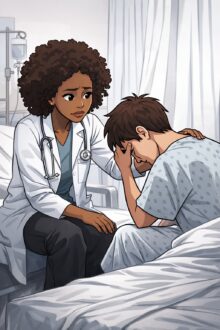
These affirmations cultivate safety, trust, and connection, indispensable foundations for recovery.
Things Not to Say
Even phrases intended to console can inadvertently harm. Avoid expressions such as:
- Just pray about it.
- Others have it worse.
- You are overreacting.
- Snap out of it.
- You do not look like you are struggling.
- That is just stress. Everyone goes through that.
- You are sick. Labeling someone as sick can be stigmatizing and dismissive.

Such words minimize lived experience, reinforce stigma, and silence voices that deserve to be heard.
THE STORY BEHIND THE ADVOCACY
I am authoring my book, Beneath the Veins of Sky, a work forged from resilience, childhood trauma, sorrow, courage, and the quiet yet unyielding pursuit of healing. It chronicles my own mental health journey and the unseen battles, invisible wounds, and extraordinary perseverance required to keep moving when life feels unbearably heavy.

Mental health permeates every aspect of human existence: how we think, love, create, parent, and endure. When ignored or stigmatized, mental illness fractures families, erodes communities, and diminishes lives. In Jamaica,
In Jamaica, stigma remains one of the most persistent obstacles to care, often more harmful than the illness itself.
Education, empathy, and advocacy are not luxuries. They are imperatives.
As a physician, advocate, author, poet, farmer, and humanitarian, I will continue to use medicine, language, culture, and service to defend the dignity and rights of those whose voices are too often ignored. Until every person experiencing psychiatric distress is treated with urgency, compassion, and humanity, the work continues.

A FINAL REFLECTION
“Mental health is not the absence of pain. It is the courage to keep living while carrying it. Healing sometimes begins the moment someone finally believes your pain deserves care.”
— Dr. Rochelle Bailey
YOU CAN ALWAYS REACH THE NORTH COAST TIMES BY EMAIL AT [email protected]