

MENTAL HEALTH & YOU
ST ANN’S BAY, St Ann; Jan 22, 2026
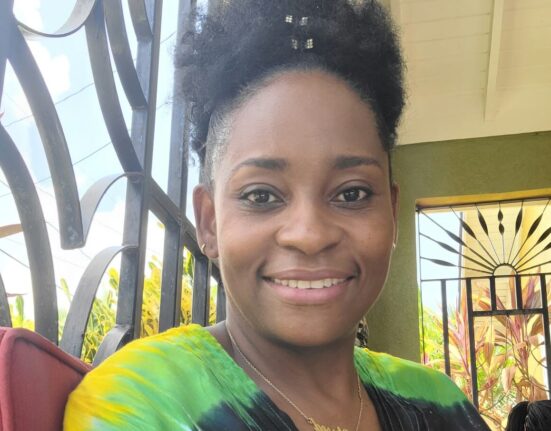
By Dr. Rochelle Bailey

It’s worth it. We have decided to carry this article by Dr Rochelle Bailey in two parts to give readers a chance to share the insights and suggestions for helping improve mental health and how we, the public, deal with its manifestations — Editor
Mental health is not frailty. It is not a moral deficiency. It is not something to be derided or disregarded. Yet in Jamaica, too many individuals navigating psychological distress encounter judgment instead of understanding, ridicule instead of care, and silence instead of solace.
This article emerges from my experiences observing how others react to persons in mental crisis. The words that are used, the laughter, the jeering, the mocking, and the refusal to engage with someone who is suffering from an invisible wound are far too common.
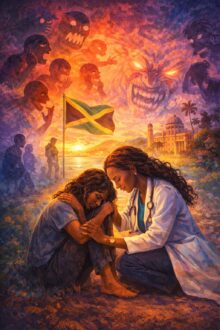
Many do not know how to respond with empathy. Some refuse to see the person before them, while others do not give them the time to simply be heard. Sometimes, all an individual needs is one person to listen without judgment, without misunderstanding, and without dismissal.
It is this reality that fuels my passion. I want people to understand that it is okay not to be okay. You are not merely a label or a diagnosis. You are someone. You are important. You matter. Your experience deserves recognition, empathy, and humane care.
My advocacy is both professional and deeply personal. It is anchored in lived experience, cultivated empathy, and the unwavering conviction that mental health care is a fundamental human right.
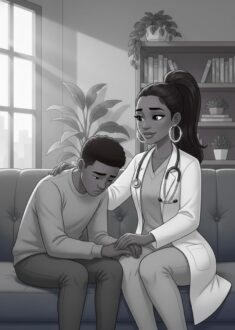
In the Accident and Emergency Department at St Ann’s Bay Regional Hospital (SABRH), you will frequently find me attending to individuals in psychiatric crisis, patients too often misunderstood, stigmatized, or ridiculed for their invisible wounds. Mental anguish is frequently treated as less urgent because it cannot be seen. Yet psychological crises are emergencies, deserving the same urgency, respect, and compassion as any physical ailment.
This is where my advocacy grows, at the bedside, in our communities, and in the spaces where stigma persists and silence prevails.
MENTAL HEALTH IN JAMAICA – FACTUAL CONTEXT
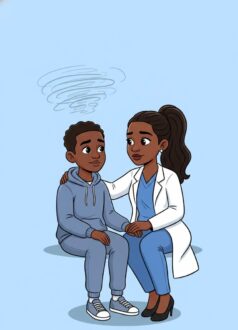
Mental health challenges in Jamaica are both significant and concerning. According to the Jamaica Health and Lifestyle Survey, approximately 14.3 percent of Jamaicans aged 15 years and older experience depression, meaning roughly one in every seven adults lives with serious depressive symptoms. Females are disproportionately affected, with nearly two in every ten women reporting depression compared with about one in ten men. Women also report higher rates of suicidal ideation, planning, and attempt.
Suicide remains a pressing concern. Jamaica’s suicide rate is approximately 2.1 to 2.4 per 100,000 persons, with 47 to 67 recorded deaths annually in recent years. Men account for a significant majority of these deaths, illustrating the intersection between gender norms, stigma, and access to help.
Young people are especially vulnerable. In a national survey of adolescents aged 13 to 17, one in four reported seriously considering suicide, and nearly one in five had attempted it in the past year.
(Dr Rochelle Bailey is a family physician working at the St Ann’s Bay Regional Hospital. She is also a mental health advocate, author, and philanthropist.
End Part 1. Look out for Part Two on the North Coast Times website (linked to the Times Facebook Page) on Saturday, January 24, 2026.