

A Whole School Approach to Creating an Environment of Discipline
OCHO RIOS, St Ann; September 4, 2026
By Michael Huggan
As we enter the 2026–2027 school year, Jamaica’s schools once again face the familiar challenge of student indiscipline. Disrespect, defiance, disruptive behaviour, bullying and other forms of misconduct continue to concern parents, teachers and administrators. But as we confront this challenge, perhaps we need to ask a different question: Are we doing enough to understand the child behind the behaviours?
For too long, the response to indiscipline has often centered on punishment—detention, suspension, reprimands and other disciplinary measures. While consequences have their place, punishment alone cannot solve every behavioral problem. If we genuinely want students to behave differently, we must also create environments that encourage them to want to do better.
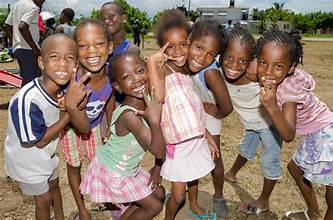
(Beautiful Jamaican children. Are we creating the environment for them to want to do better?)
This is where pastoral care and chaplaincy deserve greater attention in Jamaica’s education system.
Pastoral care is sometimes viewed as something belonging primarily to denominational schools. That perception needs to change. Pastoral care is fundamentally about the welfare and development of the whole student — physically, socially, emotionally and spiritually. It is about creating a school environment where young people feel safe, valued, respected and supported.
A school is not simply a place for producing examination passes. It is where young people spend some of the most formative years of their lives. They are developing their identities, learning how to relate to others, dealing with peer pressure and making decisions that can influence their future.

Therefore, when a student repeatedly disrupts a class, refuses to follow instructions or displays challenging behavior, the response cannot always be simply, “Punish the child.” We must also ask: What is driving the behaviour? What support does this young person need? Who is listening to him or her? This does not mean schools should abandon discipline. In fact, strong pastoral care can make discipline more effective. Students need rules, boundaries and consequences, but they also need adults who are willing to listen, guide and mentor them. A student who knows that teachers and other adults genuinely care about their welfare may be more willing to accept correction and take responsibility for their actions.
Jamaican children are growing up in an increasingly complex world. Our schools therefore need systems that allow students to speak before their problems become crises. Guidance counselling, mentorship, chaplaincy, parent engagement and supportive teachers should not be treated as extras. They are essential components of educating the whole child.
FEAR OF PUNISHMENT
Chaplaincy can also contribute to character development by providing opportunities for reflection, moral guidance, compassion, respect, responsibility and service.
We must also reconsider what we mean by discipline. Discipline should not simply mean getting students to obey because they fear punishment. True discipline should help young people develop self-control, responsibility, respect and the ability to make sound decisions even when nobody is watching.
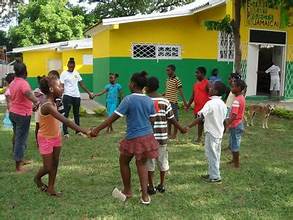
(The social context and interaction have changed)
This requires moving beyond a purely punitive approach towards one that is supportive and restorative. When students break rules, there should be consequences. However, there should also be opportunities to understand the impact of their actions, repair relationships, learn from mistakes and make better choices.
As we begin the 2026–2027 academic year, let us resist the temptation to respond to every disciplinary challenge with a heavier hand. Let us strengthen the hand that reaches out to guide, mentor and support.
Discipline without relationship can create compliance. Discipline supported by care can help create character.
xxxxxxxxxxxx
Michael Huggan is an experienced educator and physical activity specialist with a strong background in health promotion