

A Road Can Reopen While a Child Is Still Stranded
OCHO RIOS, St Ann; Nov. 23, 2026
By Douglas Vandergraph
A road can be declared open while a family still wonders how its child will reach school on Monday. Passing traffic is good news, but it does not answer whether a parent can afford a different route, a pupil with limited mobility can travel safely, or a teacher knows which children have not returned. In Jamaica’s northern parishes, those questions can determine whether a repaired road actually restores daily life.
In February 2026, floodwaters at a fording in St Mary left pupils and teachers stranded at Baxter’s Mountain Primary School. In October, heavy rain, landslides and blocked roads disrupted several parishes, including St Ann and Portland. The National Works Agency subsequently reported that roads affected by the October 23–25 rainfall had reopened. Clearing those routes mattered. So does the next question: who checks whether the people who depend on them can move again?
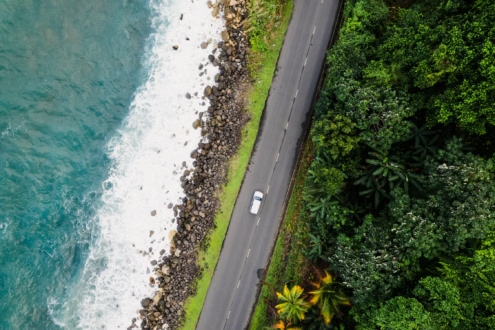
(Aviz Media Photo)
Storm damage is often measured by what can be photographed: broken asphalt, fallen trees and floodwater. The harder-to-see consequences linger. A pupil misses reading lessons. A parent loses wages while finding transport. An older neighbour becomes reluctant to attempt the journey. These are possibilities, not claims about particular families, but each deserves attention when officials speak of recovery.
SAMARITAN AND ROADS
Jesus offered a powerful lesson about roads in the parable of the Good Samaritan (Luke 10:25–37). The Samaritan did not simply pass the injured traveller once the route was safe for himself. He stopped, treated the man’s wounds and arranged further care. His compassion continued beyond the first urgent response. That is an invitation to Christians to ask whether the help we celebrate has actually reached the person who needs it, while respecting neighbours of every faith and none.
Schools can begin with a straightforward, private check-in after a route reopens. Which pupils have not returned? Is the problem transport, a lost workbook, worry about safety or lessons that need to be made up? A conversation with a parent, conducted without blame, may reveal a practical need that an attendance figure alone cannot show.
Churches and community groups can help identify households still struggling to reach school, clinic or work. They can circulate reliable road notices, help families find available services and raise concerns with the agencies responsible. This does not mean asking volunteers to substitute for engineers or organizing unsafe rides. It means carrying useful information to the neighbour least likely to see it online.
Public authorities can help by making the word ‘reopened’ more precise. Is the route safe for pedestrians? Can school transport stop and turn? Is it suitable for someone using a mobility aid? Are further works planned? Where should residents report a fresh obstruction? A brief notice giving those answers, with a contact and follow-up date, would make an official announcement more meaningful.
Particular care is needed for people who seldom attend a public meeting or read an online update. An older resident may be unable to walk to a temporary pickup point. A parent working irregular hours may miss the consultation. A family with no dependable internet connection may not know that a road has reopened, or that a warning remains in place. Their absence from the conversation should not become their exclusion from the solution.
None of this diminishes the work of road crews. It honours that work by connecting it with what comes next. A cleared route, a teacher’s phone call, an accurate notice and a neighbour’s practical offer are different parts of the same recovery.
The Good Samaritan reminds us that kindness is not only a feeling about someone else’s hardship. It is a willingness to stay with the problem long enough to understand what care requires. When the next announcement says a north-coast road is open, let us welcome it and ask one more question together: who still cannot get through? The true measure of reopening is not only that vehicles can pass, but that children and families can return to ordinary life with safety and dignity.
Douglas Vandergraph https://douglasvandergraph.com/